Feeds:
Posts
Comments

Archive for the ‘sightseeing’ Category

Rich in History is something Wiltshire is famous for, particularly Salisbury Plain, the large area of chalk downland within Wiltshire.

Salisbury Plain is steeped in history, both ancient and modern and can justifiably claim to be the cradle of English civilisation. In prehistory, tribes from Europe migrated north and settled on Salisbury Plain.

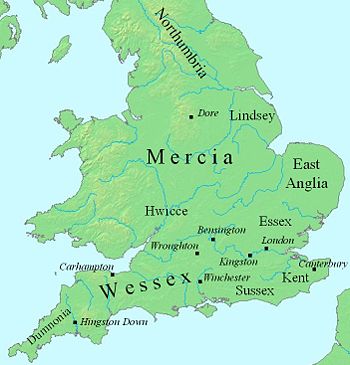
Wessex Map

Wessex Map

Remains of defence earthworks, burial and ceremonial grounds are scattered throughout Wiltshire. Many of these sites have public access. The most world renown is Stonehenge, a World Heritage Site, north of Salisbury and close to Amesbury. Also a World Heritage Site are the Avebury stone circles (both an outer and a smaller inner circle), not so famous as Stonehenge but equally impressive. Avebury is a few miles west of Marlborough in the north of Wiltshire.

From Overton Hill, near Avebury, the famous Ridgeway begins. This is thought to be Britain’s oldest road, used by prehistoric man, herdsmen and soldiers, and follows the northern escarpment of Salisbury Plain north-eastwards through the ancient landscapes of Wiltshire into the Chiltern Hills of Berkshire. The Ridgeway is 85miles (139km) in length, accessible to the public, and has National Trail status.

As well as the more ‘modern’ Roman Roads that criss-cross the Wiltshire countryside, Roman and Norman settlements continue very much in evidence, often developed on earlier Iron Age hill fort sites such as Old Sarum. This location was the original Salisbury site, a hill fort occupied by the Romans then latterly by Normans following the Norman Conquest of 1066. The exposed nature of the Old Sarum site and disagreements between the clergy and the military led to the building of the new Salisbury cathedral in 1220 A.D. to the south. The townspeople soon followed and medieval Salisbury grew to the city it is today. Old Sarum, rich in history, with its ruined fortifications is open to the public throughout the year.

The Middle Ages were a time of great prosperity for Wiltshire with sheep grazing the chalk downlands and the handwoven woollen cloth in great demand. Many famous buildings, villages and even towns were built from the proceeds. The Industrial Revolution changed everything as mechanical production took over and the weaving industry moved north into the West Riding of Yorkshire.

In more recent times much of Wiltshires rich prosperity has come from the many military establishments scattered over the Plain. Wiltshire airfields and army garrisons have trained and deployed troops and aircraft across the world on both fighting and peace-keeping operations and played pivotal roles in the great military campaigns of both World War I and II.

Each week I will be blogging on a specific area of Wilsthire and talking about its rich history.

Stonehenge Tour Guide
HisTOURies UK – The Best Tours in Wessex

Read Full Post »

Your Journey begins here…

If you are visiting Wiltshire as an independant tourist, you will find a

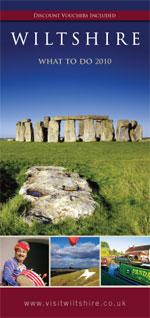
Wiltshire Tourist Brochure Download
Wiltshire Tourist Brochure Click to Download

great selection of tourist information links from various online sources I have put together for you.
Wiltshire, England – a county of contrasts and diversity. Steeped in history, yet alive to the present – Wiltshire repays the time you spend here with interest.

Explore lively market towns, rolling open scenery, stately homes and magnificent gardens plus experiencing the bustling city culture of Swindon and Salisbury.

VisitWiltshire offers a great range of quality assured accommodation with splendid Wiltshire hotels, friendly B&Bs, self-catering cottages, camping and caravan sites.

There are attractions galore – including iconic Stonehenge, and Avebury. Famous sites such Salisbury Cathedral, Longleat,Wiltshire’s White Horses, Stourhead, and the Kennet & Avon Canal combine with lesser known gems such as Lacock and STEAM.

Here you’ll find interestingly different local shops, quaint tea rooms, gastro pubs, restaurants and events throughout the year.

Whether it’s indoors or outdoors, in front of a roaring fire, walking or cycling, Wiltshire is waiting to welcome you, . . again, and again.

A Taste of Wiltshire

Salisbury Cathedral

Salisbury Cathedral

Britain’s finest 13th century cathedral with the tallest spire in Britain. Discover nearly 800 years of history, including the world’s…

Avebury Stone Circle

Avebury Stone Circle

Originally erected 4,500 years ago, Avebury is the largest stone circle in the world. many of the stones were re-erected…

Around Wiltshire

Wiltshire is a beautiful county of great diversity. With a population of nearly 430,000 and with much of the county designated as an Area of Outstanding Natural Beauty, Wiltshire is the perfect destination for a relaxing break at any time of the year. Visit the World Heritage Sites of Stonehenge and Avebury, admire the beauty of our gardens and country houses; walk the White Horse Trail to see our eight white horses carved into the hillsides; meander along the towpath of the Kennet and Avon Canal or take a leisurely wander through our market towns and pick up the real flavour of country life.

To help you plan your break to this special part of England, find out more about the towns and villages of Wiltshire, the bustling town of Swindon and the cathedral city of Salisbury.

When you’ve decided where you want to go, you can plan your journey using our Travel page and if you need more information you will find a list of Tourist Information Centres with contact details.

Places to Visit in Wiltshire,

A relatively sparsely populated county with grassy uplands and vast rolling plains, sleepy picture box villages like Castle Combe near Chippenham which has one several awards for being the prettiest village in England and Bradford-on Avon in the west close to Bath.

Wiltshire is the gateway to the West Country but also meets Cotswold country in the northern part of the county. It is also surrounded by the extremely picturesque counties of Somerset, Dorset, Hampshire, Gloucestershire, Oxfordshire and Berkshire. Much of the county is agricultural and a very large part is devoted to pasture land.

Salisbury, the county town, is particularly beautiful and dominated by its Cathedral and spire. This is the tallest in England and rises majestically over the plain.

Wiltshire is also the home of some historic attractions – Splendid Longleat in Warminster, Bowood, the magnificent family home of the Marquis and Marchioness of Lansdowne, Corsham Court, Wilton House, Stourhead and there can be no monument in Britain more steeped in legend and mystery than Stonehenge.

External Links
The official tourism website for Wiltshire
http://www.visitwiltshire.co.uk

Wiltshire Tourist Guide
http://www.wiltshiretouristguide.com/

Enjoy Wiltshire!

Stonehenge Tour Guide
HisTOURies UK – The Best Tours of Wiltshire

Read Full Post »

Engineers are to carry out emergency repairs on an 18th Century bridge in Bath after cracks were found in a support.

Subsidence was found in a basement built into the base of Pulteney Bridge.

Pultney Bridge

Pultney Bridge

Bath and North East Somerset Council (Banes) said mortar from previous repair work had shifted but there was no danger of the bridge collapsing.

The council wants to close the historic structure to traffic, but some residents are objecting to the plans.

Banes says the bridge – a Grade I listed structure – is unsuitable for modern traffic.

They submitted a closure plan before the current repair work was needed.

However, some residents fear the bridge’s closure would cut them off from the city centre.

The issue had been due to go before the council on 3 November, but this has now been put back to some time in 2011.

A temporary scaffolding system is being put in place to support the bridge until permanent repairs can get under way.

History of Pultney Bridge

Pulteney Bridge (Photo Bath and North East Somerset Council)

Pulteney Bridge is one of the most admired buildings in a beautiful city.

Pulteney Bridge is one of only four bridges lined with shops in the world, but Robert Adam’s creation has more than novelty value. His graceful composition is one of the unqualified successes of English Palladianism and provides the perfect integrating link between two halves of a Palladian city.

Across the River Avon from Bath lay the 600 acre estate of Bathwick. This was entirely rural when it was inherited by Frances Pulteney in October 1767, but its potential was obvious. No other English spa could rival Bath in this period and the city was in the midst of a building boom. Frances was married to an Edinburgh lawyer, William Johnstone Pulteney, and this energetic and frugal Scot immediately began to make plans to develop his wife’s estate. His first problem was that the only direct route from Bath to Bathwick was by ferry. By February 1768, he was conferring with Bath City Council about a new bridge. At first Pulteney contemplated just a simple, functional bridge, designed by a local architect, but by the summer of 1770 the brothers Adam were involved and the plans had undergone a dramatic change.

Pulteney Bridge by Thomas Malton 1785 (Victoria Art Gallery, Bath)

Pulteney had approached the Adams with his new town in Bathwick in mind. We may guess that Robert Adam then suggested putting shops on the bridge. He had visited both Florence and Venice, where he would have seen the ancient Ponte Vecchio and the striking Ponte di Rialto. But the most direct influence on Adam was clearly Andrea Palladio’s rejected design for the Rialto. Stripped of its heavier ornamentation, this tribute to ancient Rome emerged from Adam’s hands as the coolest of English understatements.

England also had housed bridges of medieval origin, but by the 18th century these were being seen as impediments to traffic. Adam’s designs therefore caused some consternation in Bath. The Corporation, who had not been consulted, wrote to Pulteney in protest. They evidently thought it perverse that after London and Bristol had cleared their bridges of houses, he was proposing to bring this outdated phenomenon to Bath. But Pulteney remained adamant. Perhaps the prospect of the bridge paying for itself through shop rents appealed to his love of economy. Pulteney Bridge by Thomas Malton 1779 (Victoria Art Gallery, Bath)

Adam planned a row of eleven small shops on each side, with staircases to attics above. Lofty Venetian windows formed the centrepiece of his design for the river façades, while matching Venetian doors faced the street. These were echoed in a pattern of recessed, columned windows, creating an interesting play of light and shadow for passers-by. Malton’s aquatint gives us our only view of these lovely street façades, subsequently much altered.

Pulteney Bridge was complete and ready for occupation in late 1773, but tenants were slow to come forward. The shock of the American War of Independence had fallen like an axe on Bath’s development. The plans for Bathwick were shelved and for many years, Adam’s elegant and urbane bridge led out onto meadows, rather than a Palladian townscape. When building eventually began in March 1788, it was Thomas Baldwin, a Bath architect, who provided the detailed plans. Pulteney Bridge was left as Adam’s only work in Bath.

Pulteney at least had the tact to see Adam to his grave before desecrating his handiwork. On 26 March 1792, less than a month after Adam’s death, a lease of most of the bridge was granted, with Baldwin’s plans for conversion to larger shops. The roof was raised and the windows transformed into bays. No doubt it all made sound commercial sense, but Adam’s street elevations were utterly ruined.

This was just the first of many distortions of Adam’s original vision. Disaster struck in September 1799, when a pier gave way after high floods. The remaining pier collapsed when the river rose in a great storm in November 1800. The houses on the north side were so badly damaged that Pulteney seriously considered dismantling the whole structure and building a single-span iron bridge, designed by his protégé Thomas Telford. But in the end only the north side was rebuilt. Adam’s pavilions were reduced to token pediments, but at least the design had unity.

It was not to last. 19th-century shopkeepers altered windows, or cantilevered out over the river as The north side of Pulteney Bridge in 1872 (Victoria Art Gallery, Bath)the fancy took them. By 1948, the buildings had become pathetic travesties of the original design, as Walter Ison sadly noted.

But the tide was already on the turn. Bath City Council showed concern to retain the Adam features of the bridge as early as 1903, when the south-west pavilion had to be moved. In January 1936, Pulteney Bridge was scheduled as a national monument. The Council already owned a few of the shops on it; now they bought the rest and the following year the City Surveyor carefully traced Adam’s own plans and designed a restored façade.

But war intervened. The restoration was finally executed in time for the Festival of Britain in 1951. Then in 1975 the Georgian Group partially restored the southern street facade to mark European Architectural Heritage Year. Now the restored bridge is a delight to photographers and one of the enduring images of Bath that visitors take away with them.

We operate tours of the city of Bath and they can depart from London or Salisbury

Stonehenge Tour Guide
HisTOURies UK – The Best Tours in History

Read Full Post »
When one thinks of Wiltshire the images which spring most readily to mind are the spacious rolling downland of Salisbury Plain and associations with pre-history which are at their most stunning at Avebury and Stonehenge. Whilst Wiltshire is more complex than this a journey northwards to the Marlborough Downs will reinforce this picture of sweeping chalk downland and ancient times. Here, there is also the handiwork of more recent history, in the famous Wiltshire White Horses. There are now eight of them and they have their own newly opened long distance path, ‘The White Horse Trail’.

The Vale of Pewsey and Savenake Forest, part of the Kennet District, offer a complimentary landscape which also has many enjoyable walking opportunities; and the Kennet and Avon canal, joining the two rivers, provides delightful waterside rambling through peaceful rural countryside.

South of Salisbury Plain the Wylye and Nadder river valleys offer lovely walks, once again through a quiet rural landscape a million miles away from the hustle of industrial Swindon in the north of the county.

Guide Books:

  Guide Books: [For further information]
100 Walks in Wiltshire by: Various contributors. An omnibus of local walks covering the whole of Wiltshire. The book is ideal for family outings and as a valuable reference book for residents and visitors to the region. There is a wide choice of routes with perhaps two thirds spread over the northern part of the county. Salisbury Plain is not well represented, but this is largely due to Ministry of Defense activities, which do not co-exist well with peaceful country walking. However all the best parts of Wiltshire are covered. The walks vary in length from 2 to 12 miles, the majority being in the 4/6 mile range. Sketch maps and route descriptions are on facing pages.
Walks in Mysterious Wiltshire by: Laurence Main. Discover Wiltshire’s secret places. Wiltshire has long been associated with both historic and prehistoric sites, most notably Avebury and Stonehenge. See and experience these for yourself and contemplate their significance as temples, secular monuments or ancient observatories. Many more mysteries await walkers in this historic area; white horses carved on Wiltshire’s hillsides, sites of ancient battles, neolithic burial sites and a network of ley lines, those ancient trackways often associated with spirit pathways. There are stories of Wiltshire’s witches, folklore traditions, Arthurian legends and even UFO’s! These are just some of the prospects offered in 27 well planned routes of interest to all the family.
Waterside walks in Wiltshire by: Nick Channer. The 20 circular routes in this book are all between 2 and 9 miles in length. Each walk instruction also includes details on how to get to the start by car, where to park, and what food and drink are available locally. For greater clarity, the route descriptions are divided into numbered paragraphs, which correspond with the numbers on the accompanying sketch maps. There are also seperate sections about places of interest to visit nearby. From walks near Heytesbury, once the home of war poet Siegfried Sassoon, the Vale of Pewsey and the National Trust village of Laycock to Salisbury’s watermeadows and Devizes’ flight of 29 canal locks, this book provides the walker with many interesting and exhilarating hours in the open air.
50 Walks in Wiltshire by: David Hancock. 50 themed walks of between 2 and 10 miles, each with fascinating background reading, clear, easy-to-follow route descriptions and detailed sketch maps. Locations include: Chute Standen; Great Bedwyn; Savernake’s Royal Forest; Wootton Rivers; Ramsbury; Clarendon; Amesbury; Avon Valley from Downton; Pepperbox Hill; Vale of Pewsey and Oare Hill; Salisbury; Lydiard Park; Great Wishford; Till and Wylye Valleys; Fyfield Down; Old Sarum; Avebury; Barbury Castle; Cricklade; Dinton and the Nadder Valley; Ansty; Wardour Castle; Ebble Valley; Bowood Park; Bremhill; Heytesbury; Devizes; East Knoyle; Fonthill; Tollard Royal; Roundway Hill; Holt; Castle Combe; Lacock; Bowden Park; Malmsbury; Sherston; Box Hill; Stourhead; White Sheet Hill; Westbury White Horse; Corsham; Longleat Estate; Bradford-on-Avon; Frome Valley; Bath.
Ten Walks in West Wiltshire by: RA West Wilts Group. All are circular and they vary in length from 4 to 11 miles. Locations are as follows: Bradford on Avon – Little Ashley (6km); South Wraxall – Stonar School – Little Chalfield (8km); Warminster – Arn Hill – Upton Scudamore (9km); Holt – Staverton – Whaddon – Broughton Gifford – Great Chalford (10km); Brown’s Folly – Farleigh Wick – Monkton Farleigh (10km); Westbury – Upton Scudamore – Old Dilton (11km); Steeple Ashton – West Ashton – Yarnbrook (13km); Bradford on Avon – Westwood – Freshford – Farleigh Hungerford – Avoncliff (13km); Bratton – Bratton Castle – Edington (14km); Nockatt Coppice – Bidcombe Wood – Cold Kitchen Hill – Brimsdown Hill ( 18km).
Walking in West Wiltshire Book 2 by: RA West Wilts Group. The ten walks in this booklet have been devised and written by ten members of the group. Accordingly the descriptive narratives show a variety of different styles. For ease of use a detailed sketch map is shown opposite each walk description with the route clearly highlighted. Paragraph numbers in the description are shown on the maps at relevant points. This guide allows you to share in the discoveries of experienced ramblers with good local knowledge. The walk starting locations are as follows: North Bradley (8.5km); Semington (8km); Trowbridge (9km); Bradford on Avon (9km); Steeple Ashton (6.5km); Thoulstone (9km); Kingston Deverill (11.5km); Shearwater (10km); Melksham (10.5km); Heytesbury (7km).
Walking in West Wiltshire Book 3 by: RA West Wilts Group. In this book members of the RA West Wilts Group have devised a further ten interesting and enjoyable walks using their local knowledge and experience. For ease of use a detailed sketch map is shown opposite each walk description. Also highlighted are paths providing links with adjacent walks described in the book. The walk starting locations are: Edington (8.5km); Heytesbury (11km); Melksham (10.5km); Horningsham (10.5km); Bradford on Avon (11.5km); Codford (15km); Warminster (12km); Westbury (8km); Broughton Gifford (9.5km); Sutton Veny (15.5km).
Somerset, Wiltshire and the Mendips Walks by: Brian Conduit. 28 routes colour coded for difficulty, varying from extended strolls to exhilarating hikes.The guide introduces you to the area and highlights the most scenic walks. OS Explorer mapping is included. Locations include: Nunney Combe; Nettlebridge and Harridge Wood; Devizes and Caen Hill Locks; Ilminster and Herne Hill; Langport and Muchelney Abbey; Salisbury and Old Sarum; Lacock and Bowden Park; Fovant Down; Old and New Wardour Castles; Avebury; West Kennett and Silbury Hill; Glastonbury; Lambourne Downs; Uffington Monuments and Vale of the White Horse; Ham Hill, Montacute and Norton Sub Hamdon; Cadbury Castle and the Corton Ridge; Hinton Charterhouse and Wellow; Bradford-on-Avon, Pewsey Downs; Stonehenge; Barbury Castle and Ogbourne St Andrew; Wells, Ebbor Gorge and Wookey Hole; Savernake Forest.
Literary Strolls in Wiltshire ans Somerset by: Gordon Ottewell. 40 attractive strolls throughout Wiltshire and Somerset, each with a strong literary association. In Wiltshire, you follow in the footsteps of such remarkable people as multi-talented William Morris, architectural commentator Nikolaus Pevsner, war poet Siegfried Sassoon and Celia Fiennes, the pioneer travel writer. The walk locations include: Swindon and South Cotswold Area – Inglesham; Marston Meysey; Oaksey; Broad Town; Hodson; Barbury Castle; Bishopstone. Chippenham and Devizes Area – Kington St Michael; Kington Langley; Bremhill; Bromham; Broughton Gifford; Poulshot; Bishops Cannings. Salisbury and Warminster Area – Heytesbury; Steeple Langford; Hindon; Tisbury; Mere; Newton Tony; Pitton.
Ten Walks Around Devizes by: Graham Hillier and Ron Wiltshire. 10 circular walks created with the intention of starting and finishing at the focal point of Devizes Town – The Market Place. There is much of interest to see on these walks including a visit to the site of the Civil War battle of Roundway Down; a stroll along Quakers Walk, once an elm lined avenue from Roundway Park to Devizes; the remains of Devizes Castle and a medieval deer park enclosure; several stretches along the Devizes canal and the sites of several macabre events desribed in the text. Other locations visited on the walks are Gypsy Patch, Roundway Hill, Hartmoor, Potterne Village, Potterne Woods, Drew’s Pond, Hillworth Park, Sleight and Stert, Consciences Lane, Rowde, Lower Foxhanger’s, and Rangebourne Mill.
11 Half Day Walks in North East Wiltshire by: North East Wiltshire Group – Ramblers’ Association. All the walks are around five miles in length so that only a morning or afternoon is needed to complete them. The walks are well described and sketch maps are included. The walks have been chosen to show the variety of countryside in the area. The walk locations are: Avebury and the Sanctuary; Berwick Bassett Common and Windmill Hill; Love’s Copse and Love’s Lane; Poulton Downs and the Railway Path; Wexcombe and Grafton Downs; Castle Hill and Stanton Fitzwarren; Hare, Aughton and Inham Downs; Hippenscombe Bottom; The Kennet Valley; The Ridgeway and Hinton Downs; Rivers Key, Ray and Thames.
20 Walks Around Swindon by: North East Wilts Group – Ramblers’ Association. This booklet describes 20 circular routes from 2 to 7 miles. Locations are: Cotswold Water Park; Highworth, Red Down and Hannington; Cricklade and Cotswold Water Park; Blunsdon, Stanton Fitzwarren and Kingsdown; Lechlade, Buscot and Kelmscot; Bishopstone, The Ridgeway and Ashbury; Liddington Hill and Downs; Chiseldon and The Ridgeway; Upper Upham; Chilton Foliat and Hungerford; Downs and Og Valley; Barbury Castle, Smeathes Ridge and Burderop Down; Manton and Fyfield Downs; Wootton Bassett, Little Park Farm and Wilts and Berks Canal; Clouts Wood and Elcombe; Peatmoor, Shaw and River Ray Parkway; Lydiard Park and Purton; Coate, Day House Lane and Greenhill; Coate Water and Broome Manor; Old Town Railway and West Leaze.
12 Walks Around Marlborough by: Bert Toomer. The walks in this booklet were devised to take you to the best vantage points in the area and to bring you back to your starting point. Locations are: Circular from Ramsbury; Aldbourne, Ewin’s Hill and Ramsbury; Baydon, Hodd’s Hill and Membury; Great Bedwyn, Wilton and Kennet and Avon Canal; East Croft Coppice; Ramsbury and Littlecote; Piggledene, Stony Valley and Devil’s Den; Marlborough and Mildenhall; Martinsell Hill, Draycot and Gopher Wood; Martinsell Hill, Kennet and Avon Canal and Wootton Rivers; West Woods, Gopher Wood, Knap Hill and Wansdyke; Milk Hill, Wansdyke, Tan Hill and Kennet and Avon Canal; Milk Hill, Wansdyke, Stanton St Bernard and Kennet and Avon Canal.
Nine Downland Walks by: BertToomer. The collection of walks in this booklet will help you make the most of the fine countryside that lies between Swindon and Marlborough. Clear route instructions and sketch maps are provided. The walk locations are: Barbury Castle, The Ridgeway and Burderop Down; Upper Upham and Snap; Smeathe’s Ridge, the Ogbournes and Four Mile Clump; Chiseldon and Hodson; Rockley, Totterdown and Fyfield Down; Ridgeway Path, Shipley Bottom and Sugar Hill; Burderop Down and Smeathe’s Ridge; Hackpen Hill, Rockley, Totterdown and the Ridgeway; Ogbourne St. George, Whiteshard Bottom and Chase Woods.
8 Easy Walks Around Salisbury by: South Wilts Ramblers’ Association. This is a set of eight walk cards contained in a plastic wallet. Each card has a brief description of the walk, the starting point and a sketch map on the front and the route directions on the reverse. The walks are between 2 and 5 miles long. The walk locations are: Charlton All Saints and the River Avon; Godshill Enclosure and Millersford Circular; Breamore House and The Mizmaze; Bowerchalke and over Marleycombe Hill; Fovant Badges and Chiselbury Camp; Old and New Wardour Castles; Great Wishford, Grovely Wood and River Wylye; Battlesbury, Middle and Scratchbury Hills.
10 Short Walks Around Salisbury by: South Wilts Ramblers’ Association This is a set of ten walk cards contained in a plastic wallet. Each card has a brief description of the walk, the starting point and a sketch map on the front and the route directions on the reverse. The walks are between 4 and six miles long. The walk locations are: Salisbury to Old Sarum; Figsbury Ring and Winterbourne; East Grimstead, Bentley Wood, Blackmoor Copse, Farley; Pepperbox Hill and Barford Down; Charlton, Downton and Trafalgar House; Breamore and Whitsbury; Nunton and Odstock; Broad Chalke and The Ox Drove; Dinton, Compton Chamberlayne and Fovant; Great Wishford and Grovely Wood.
10 Longer Walks Around Salisbury by: South Wilts Ramblers’ Association. This is a set of ten walk cards contained in a plastic wallet. Each card has a brief description of the walk, the starting point and a sketch map on the front and the route directions on the reverse. The walks are between 8 and 13 miles long. The walk locations are: Old Sarum to Stonehenge and Amesbury; Around Downton; Woodfalls; Martin Down, Pentridge and Vernditch Chase; Downlands and Valleys; Swallowcliffe, Ansty and Alvediston; The Inner Chase; Old Wardour, Tisbury and Castle Ditches; Sherrington, Great Ridge Wood and Knook; Salisbury Plain and the Till Valley.

 Needless to say we feel its better to join a local guide to explore the area but if you are visiting the area then the books I have listed above may be of great use, enjoy!

Stonehenge Tour Guide
HisTOURies UK – The Best Tours in Wiltshire

Read Full Post »

HISTORIANS in Penmaenmawr believe their ancient landscapes can rival some of the UK’s top tourist attractions.

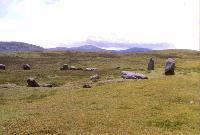
Druids Circle

Druids Circle

Dennis Roberts and David Bathers of the Stori Pen Historical Society hope to have historical sites such as the Graiglwyd axe factory and the Druid’s Circle in the Snowdonia National Park into a UNESCO World Heritage site.

“To have a World Heritage Site would be immense for Penmaenmawr and the whole of Conwy,” said David.

The Graiglwyd axe factory is a Neolithic site where it is thought funerary tools were forged for use at the nearby Druid’s Circle, a collection of 30 stones 80ft in diameter.

// <![CDATA[
if (typeof dartOrd == 'undefined') dartOrd=Math.random()*10000000000000000000;
if (typeof tm.zones == 'undefined') {tm.zones = "";}

(function (x) { if (tm.defer) {tm.defer.defer(x); } else { document.write(x);}})('’);
// ]]>

Excavations at this site have unearthed various relics, including the cremated remains of a child.

“There’s an Iron Age hill fort and there are also Bronze Age sites up there, where people came and settled,” said David.

“There’s a lot of stone areas where Neolithic man used to work.

“The area used to be immensely popular in the 19th century.

“With the right conditions put forward I’m confident it would be recognised.”

David added that it would be years until the site could be put forward for the UNESCO award.

Dennis Roberts is chairman of Penmaenmawr Historical Society.

“We are trying to make people aware of what is available in Penmaenmawr,” he said.

“There’s so much behind Penmaenmawr and Llanfairfechan, the area behind the mountains is extremely rich in prehistory. It would rival some of the Bronze Age sites in Britain.”

The historians plan to organise a trail in the mountains that will highlight the sites, before proposals are put to the United Nations Educational, Scientific and Cultural Organisation. They also plan to put a leaflet together.

Lesley Griffiths of the Penmaenmawr Tourist Association welcomed the proposals: “It’s brilliant news, if it comes to fruition.

“It would be extremely beneficial in that it would bring tourists to the sites. It would put Penmaenmawr back on the map.”

Cllr Ken Stevens added: “Areas of Penmaenmawr have some of the oldest industrial sites in Wales. Not a lot of people know what Penmaenmawr has. I wish them all the luck with it, I think we deserve it.”

Other British UNESCO World Heritage Sites include Stonehenge, the Giant’s Causeway, the Tower of London and Canterbury Cathedral

Stonehenge Tour Guide
HisTOURies UK – The Best Tours in Ancient History

Read Full Post »

First Time Visitors Itinerary

First time visitor to London? Make sure you see the best of London with our three-day itinerary.

See the London Eye, the Tower of London, Tower Bridge, Shakespeare’s Globe, the British Museum and lots more. You’re sure to want to return again and again!

Day One

Morning

Board a 30-minute flight on the London Eye and admire London from a height of 135 metres in one of 32 capsules.

Original London Sightseeing Tour and Big Bus Company run hop-on, hop-off open-top bus tours of the city centre passing all the major landmarks, and lasting approximately two hours. Catch either tour outside County Hall by Westminster Bridge and see what the city has to offer.  These could be booked at http://www.BestValueTours.co.uk

Lunch

Alight from the bus at Tower Bridge and take the stairs down to Shad Thames and Butler’s Wharf. The riverside Butler’s Wharf Chop House offers excellent value set menus during the week.

Afternoon

See London’s most notorious prison and the Crown Jewels at the Tower of London. A Yeoman Warder gives a tour of the Tower every half an hour.

Walk back to Tower Bridge and visit the Tower Bridge Exhibition. You’ll see some of the most spectacular views up and down the River Thames and learn about the history of one of London’s most famous landmarks.

Evening

Experience London theatre, from musicals such as Billy Elliot and Mamma Mia, to opera and ballet at the Royal Opera House and modern dance at Sadler’s Wells. There really is something for everyone.

After the show enjoy a post-theatre meal at Joe Allen, a favourite with actors and people that work in London’s theatre industry.

Day Two

Morning

Wander around Covent Garden, Neal Street and Seven Dials for a bit of shopping. Watch the street entertainers and explore the covered market. If the weather is good, you can sit outside and people-watch in the piazza.

Lunch

Board the Bateaux London lunch river cruise, and enjoy a three-course meal as you cruise along the River Thames.

Afternoon

Head to Shakespeare’s Globe, where a tour offers a fascinating insight into Shakespearean London and today’s working theatre.

Next door is Tate Modern, where you can browse the permanent collection or view one of the world-class exhibitions. Don’t miss coffee in Café 7, Tate Modern’s seventh floor café looking out over the Millennium Bridge and St Paul’s Cathedral.

Evening

Try Britain’s favourite dish for dinner – a curry in Brick Lane. A market by day, Brick Lane is lined with curry houses and trendy bars. Preem and Bengal Village offer good, value for money meals. Have a few drinks after your meal in the Vibe Bar, the Big Chill Bar or 93 Feet East, which has a great line-up of live music and DJs.

Day Three

Morning

Head to the British Museum, London’s single most visited museum, featuring exhibits such as the 2,000 year old Lindow Man, Egyptian pharaohs and treasures from all over the world.

Afternoon

Take the Tube to Camden Town and explore Camden Lock Market, where you’ll find clothing, jewellery, arts and crafts and some of London’s more interesting characters. The market is a great place for lunch, with stalls and shops cooking food from all over the world.

Walk from Camden to Primrose Hill, for one of the best views of London. This is a great spot for a picnic or a few pints in one of the nearby pubs.

Evening

You can’t come to London without visiting a traditional London pub. Many of London’s pubs offer delicious food, with menus ranging from typical British cuisine such as fish and chips to Thai. The Fire Station in Waterloo and The Anchor & Hope on The Cut (also Waterloo) both offer a traditional pub environment plus a fantastic menu.

Enjoy London!

Tourist Guide
HisTOURies UK – Bespoke Guided Tours from London

Read Full Post »

« Newer Posts