The weather may not be anything to write a postcard home about – but the West’s tourism industry enjoyed a twin boost yesterday.
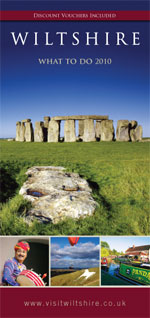
Key visitor attractions featured prominently in the first global TV adverts for a decade and new research showed up to 17 million Brits will holiday at home this year.
VisitBritain, the national tourism agency, yesterday unveiled its international TV campaign to attract overseas visitors to the country.
The adverts will be screened around the world, and include Stonehenge, Glastonbury and the Cotswolds.
Stonehenge is already in the spotlight because of the summer solstice, and VisitBritain say the UNESCO World Heritage Site is one of the most important prehistoric monuments on the planet.
As well as the 5,000-year-old site, there are money Neolithic and Bronze Age monuments in the surrounding landscape, and Avebury, the largest stone circle in Europe, is nearby.
Glastonbury is synonymous with the annual music festival taking place at the weekend, with international superstars such as U2, Coldplay and Beyonce, as well as theatre and circus performers and much more.but VisitBritain also point to the ruins of Glastonbury Abbey, and the iconic Tor, along with myths and legends about the Isle of Avalon, King Arthur, Joseph of Arimathea and the Holy Grail.
The agency adds: “For many visitors, the Cotswolds represent everything that is quintessentially ‘English’, with villages and churches of honey-coloured limestone set among gentle hillsides, cottage gardens, beech woods and drystone walls.”
Historic sites include Sudeley Castle and Chedworth Roman Villa, while VisitBritain urges tourists to sample local produce such as Gloucester Old Spot pork, Tewkesbury mustard and the famous Cotswold cheeses.
Other locations in the TV adverts include London landmarks such as the Houses of Parliament and St Paul’s Cathedral, the Lake District, Snowdon in Wales, Edinburgh Castle and the Highlands.
Celebrities such as actress Dame Judi Dench, fashion icon Twiggy and chef Jamie Oliver – who has restaurants in Bath and Bristol with another opening in Cheltenham this summer – star in them.
The campaign kicks off a major marketing push that seeks to build on the global impact of the Royal Wedding, with the Olympics next year also guaranteeing the international spotlight.
It will concentrate on the current most important tourism markets, such as the US and Western Europe, and the big growth areas for the future, including China and India.
VisitBritain chief executive Sandie Dawe said: “This is our first global TV campaign for 10 years and marks the start of an ambitious marketing programme. With the eyes of the world on us, we have an opportunity to showcase Britain and then to close the sale with great travel deals and offers from our partners.
“This campaign aims to inspire visitors to come and explore for themselves. Over four years, we aim to attract four million extra overseas visitors, who will spend £2 billion across Britain.”
Meanwhile a new survey has found nearly 40 per cent of Britons will stay at home this summer as families strive to balance household finances.
Many of them will instead enjoy ‘staycations’, with the West sure to cash in.
The poll was carried out for savings bank ING Direct, and chief executive Richard Doe said: “It’s not surprising that the summer holiday is often being sacrificed.”
Visiting Britain ? Visit the West Country!
Wessex Tour Guide
HisTOURies UK – the Best Tours in Wiltshire
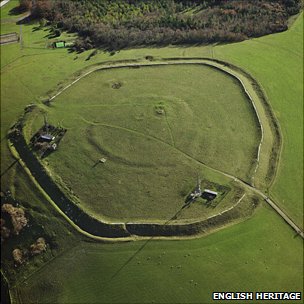
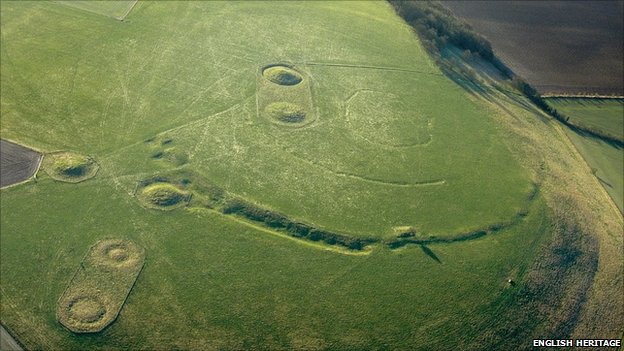
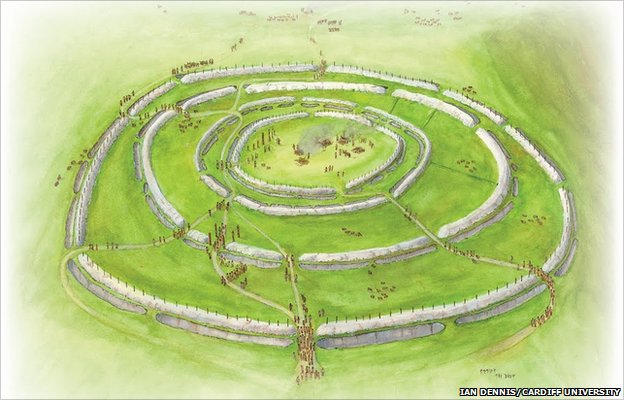
 by 3 small white discs on the tarmac at the lower end of the car-park. Chances are you will drive over them if you visit! The white discs mark where wooden postholes stood during the early mesolithic – the hunter gatherers – at least 3,500 years before the first phase of Stonehenge.Later features which predate Stonehenge that can still be seen are the Cursus and barrows or burial mounds. You will need more time or to go on a specialist tour to see these features.
 This included 56 timber posts just inside the bank and the post holes were later filled with cremated human remains and now known as Aubrey holes.In 2008 Aubrey hole 7 was opened by the Stonehenge Riverside Project and it looks more like a hole for a stone rather than timber. It may be that stones were here from the start rather than later. The results from the most recent dig are due out in 2011 so we may have the 3rd major rewrite of the Stonehenge story within 20 years!
 Bluestone is a generic term for several types of volcanic rocks and each of them at Stonehenge weighs 4 – 6 tons.They are the ones that stand about man height as one looks into the stones. They don’t look blue until dressed (ie shaped) and the outer covering of the stone removed.You can how blue on a tour out of hours to the inner circle.
 In its final layout there are estimated to be 79 or 80 bluestones. An exciting discovery in September 2009 at the end of the Avenue where it meets the River Avon was a series of stone holes possibly holding bluestones. This ‘Bluestone’ henge may have held 24 stones. If the 56 Aubrey holes held stone rather than timbers it may be that there were two separate monuments that became united as the finishing phase of Stonehenge.
 The lintels don’t rely on gravity to keep them in place they have mortice & tenon, and tongue & groove joints that we would normally find in a wood setting, but in stone. Each of the lintels also has some shaping on the inner and outer circular face to produce not far off a perfect circle.

 Sacred: Well-wishers visit the tree in Glastonbury, Somerset
 HisTOURies U.K Tours

 Wessex Guided Tours