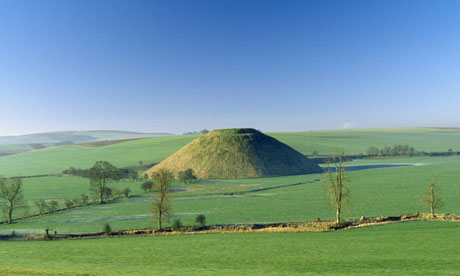
 IN A modest house in Swindon, an 86-year-old man formulates exquisitely-detailed theories that turn conventional Wiltshire arch- aeology on its head.
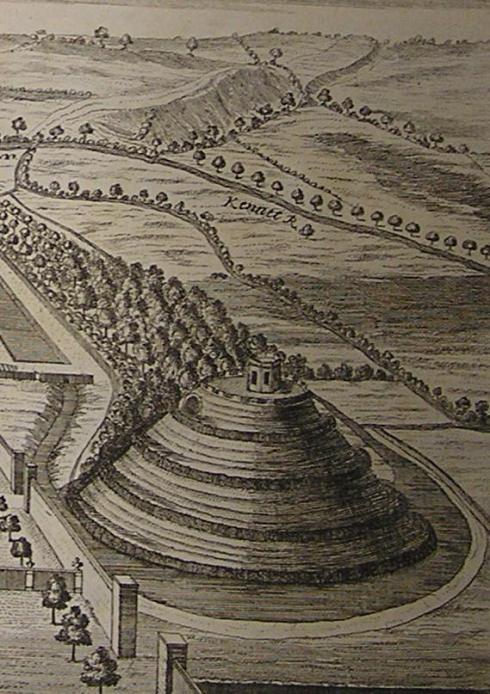
If retired builder Eric Crook is right – and his belief that he’s right is unshakeable – the remains of a neolithic princess have lain deep beneath Silbury Hill for more than 4,000 years.
Even more startling is his insistence that the stones of Avebury once formed a carved amphitheatre of countless thousands of human and animal faces. These carvings would have appeared to move in flickering firelight; an illusion to thrill audiences of people who were centuries dead before Christ was born or the invading legions of Rome set foot on English soil.
These stone faces, Mr Crook says, can still be found in fragments hacked from the stones down the centuries, whether for buildings or perhaps because the powers that be disapproved of such images.
The reaction from the archaeological mainstream has so far been distinctly underwhelming, but Mr Crook, having spent well over 50 years researching and documenting his subject, is undaunted.
“Archaeologists are trained by other archaeologists,” he said. “But they are not trained in a natural learning process going through building technology.
“They learn only through what they can see. I heard of a professor who was asked the question, ‘when do you think you’ll get the answers to Silbury Hill and Avebury?’ “She said it would be another generation, but I thought to myself, ‘The answers are already there and you’re the generation behind.’”
Wiltshire, A Journeyman’s Tale, is £9.99 and can be ordered from Amazon and bookshops, ISBN978-0-7223-3900-8
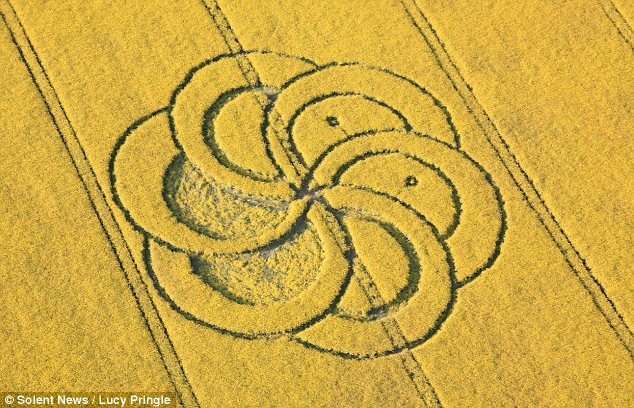
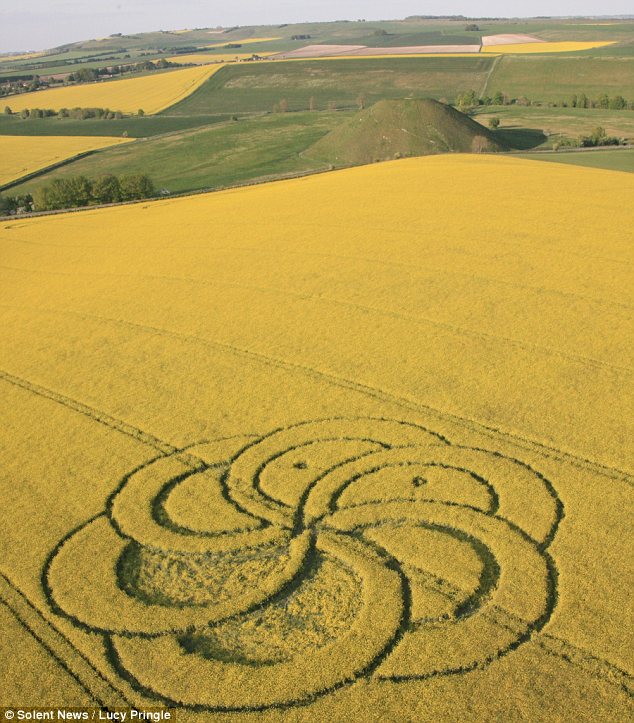
Well worth touring Avebury and Silbury Hill at the moment. There are several amazing crop circles in the area
Stonehenge and Avebury Tour Guide
HisTOURies UK – The Best Tours in Wiltshire
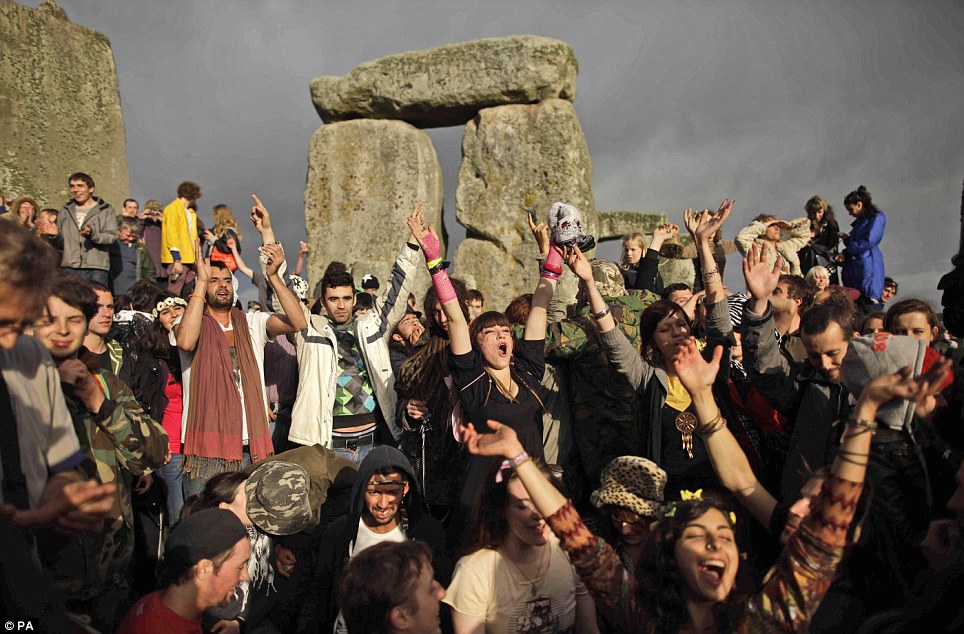
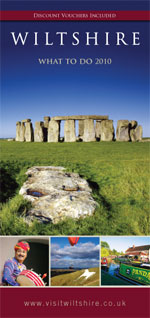
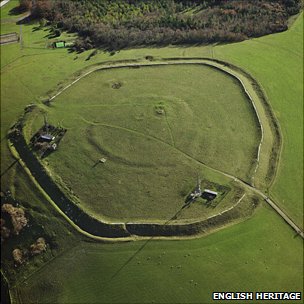
 by 3 small white discs on the tarmac at the lower end of the car-park. Chances are you will drive over them if you visit! The white discs mark where wooden postholes stood during the early mesolithic – the hunter gatherers – at least 3,500 years before the first phase of Stonehenge.Later features which predate Stonehenge that can still be seen are the Cursus and barrows or burial mounds. You will need more time or to go on a specialist tour to see these features.
 This included 56 timber posts just inside the bank and the post holes were later filled with cremated human remains and now known as Aubrey holes.In 2008 Aubrey hole 7 was opened by the Stonehenge Riverside Project and it looks more like a hole for a stone rather than timber. It may be that stones were here from the start rather than later. The results from the most recent dig are due out in 2011 so we may have the 3rd major rewrite of the Stonehenge story within 20 years!
 Bluestone is a generic term for several types of volcanic rocks and each of them at Stonehenge weighs 4 – 6 tons.They are the ones that stand about man height as one looks into the stones. They don’t look blue until dressed (ie shaped) and the outer covering of the stone removed.You can how blue on a tour out of hours to the inner circle.
 In its final layout there are estimated to be 79 or 80 bluestones. An exciting discovery in September 2009 at the end of the Avenue where it meets the River Avon was a series of stone holes possibly holding bluestones. This ‘Bluestone’ henge may have held 24 stones. If the 56 Aubrey holes held stone rather than timbers it may be that there were two separate monuments that became united as the finishing phase of Stonehenge.
 The lintels don’t rely on gravity to keep them in place they have mortice & tenon, and tongue & groove joints that we would normally find in a wood setting, but in stone. Each of the lintels also has some shaping on the inner and outer circular face to produce not far off a perfect circle.

 HisTOURies U.K Tours

 Wessex Guided Tours