The four surviving original copies of Magna Carta will be brought together in 2015 for the first time in history, the British Library has announced.

The event will take place over three days and launch a year of celebrations across the UK and the world to mark the document’s 800th anniversary.
The document is seen as the cornerstone of Britain’s constitution, outlining a set of basic rights.
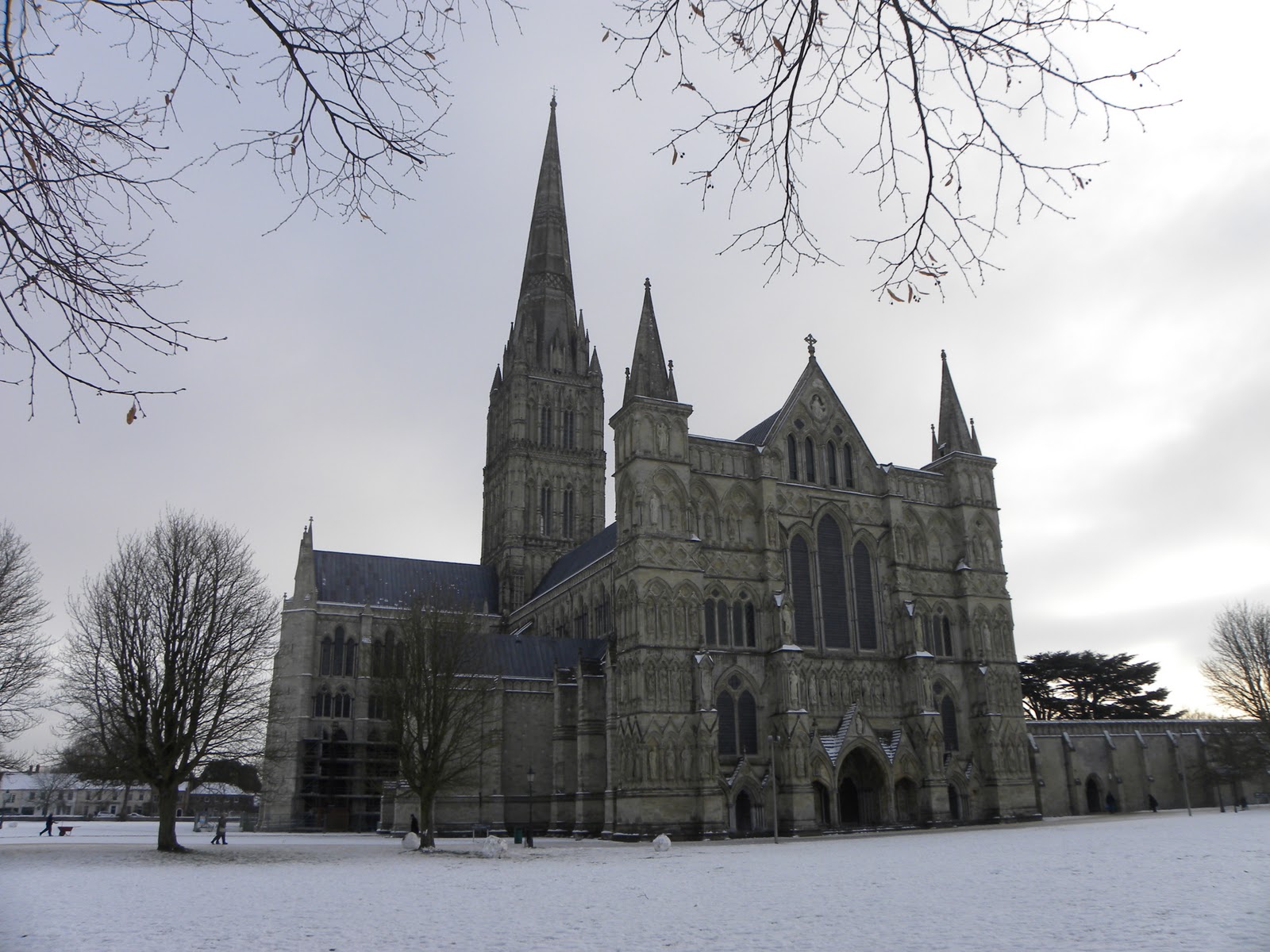
There are four surviving copies of Magna Carta – two copies belong to the British Library, one copy is owned by Lincoln Cathedral and one by Salisbury Cathedral.
All three organisations will be involved in the event, which will be held at the British Library in London.
‘National significance’
The library said it would be a “once-in-a-lifetime opportunity for researchers and the public to see the documents side-by-side”.
The manuscripts will be examined by some of the world’s leading experts.
The library said the unification of the documents would allow them to be studied much more closely, particularly faded or obscured parts of the text.
Historians would also be able to look for new clues about the identity of the writers of the texts, which is still unknown.
The charter was issued by King John as a way solving the political crisis he faced when powerful barons rebelled against him and captured London.
Although almost all the clauses have been repealed in modern times, the document established a number of important principles that have been copied around the world.
These include the principle that no-one is above the law – including the king – the right to a fair trial, and limits on taxation without representation.
It inspired the US Constitution and the Universal Declaration of Human Rights.
Claire Breay, lead curator of medieval and earlier manuscripts at the British Library, said: “Magna Carta is the most popular item in the library’s treasures gallery, and is venerated around the world as marking the starting point for government under the law.”
The Dean of Salisbury, the Very Reverend June Osborne, praised the values of social justice in Magna Carta and said she hoped the unification would increase awareness of the charter “to a huge new audience”.
The Very Reverend Philip Buckler, Dean of Lincoln, said bringing together all four copies would be of “national significance” and would mark a “pivotal point” in the anniversary year.
Lincoln Cathedral will be opening a new purpose-built Magna Carta centre in Lincoln Castle during the anniversary year
Source: http://www.bbc.co.uk/news/uk-23304764
Join us on a tour of Salisbury and see the Magna Carta on Salisbury Cathedral
Wessex Guided Tours
The Best Tours in British History
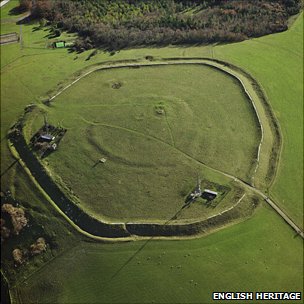
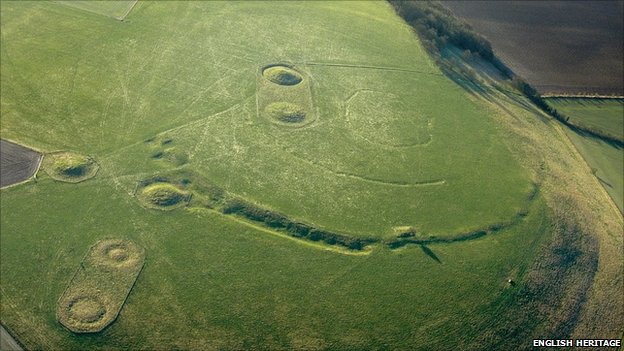
 by 3 small white discs on the tarmac at the lower end of the car-park. Chances are you will drive over them if you visit! The white discs mark where wooden postholes stood during the early mesolithic – the hunter gatherers – at least 3,500 years before the first phase of Stonehenge.Later features which predate Stonehenge that can still be seen are the Cursus and barrows or burial mounds. You will need more time or to go on a specialist tour to see these features.
 This included 56 timber posts just inside the bank and the post holes were later filled with cremated human remains and now known as Aubrey holes.In 2008 Aubrey hole 7 was opened by the Stonehenge Riverside Project and it looks more like a hole for a stone rather than timber. It may be that stones were here from the start rather than later. The results from the most recent dig are due out in 2011 so we may have the 3rd major rewrite of the Stonehenge story within 20 years!
 Bluestone is a generic term for several types of volcanic rocks and each of them at Stonehenge weighs 4 – 6 tons.They are the ones that stand about man height as one looks into the stones. They don’t look blue until dressed (ie shaped) and the outer covering of the stone removed.You can how blue on a tour out of hours to the inner circle.
 In its final layout there are estimated to be 79 or 80 bluestones. An exciting discovery in September 2009 at the end of the Avenue where it meets the River Avon was a series of stone holes possibly holding bluestones. This ‘Bluestone’ henge may have held 24 stones. If the 56 Aubrey holes held stone rather than timbers it may be that there were two separate monuments that became united as the finishing phase of Stonehenge.
 The lintels don’t rely on gravity to keep them in place they have mortice & tenon, and tongue & groove joints that we would normally find in a wood setting, but in stone. Each of the lintels also has some shaping on the inner and outer circular face to produce not far off a perfect circle.
 HisTOURies U.K Tours

 Wessex Guided Tours